Accountable Business Services | Tax Accountant | Accounting Firm
WE ARE HERE TO HELP YOU GROW YOUR BUSINESS WITH OUR EXPERTISE!
Business Planning for Saskatoon Businesses: What a Bank-Ready Plan Includes

Business Planning for Saskatoon Businesses: What a Bank-Ready Plan Includes

A bank-ready business plan answers three questions before a lender asks them: what the business does, what the money is for, and how it will be paid back. For a Saskatoon business, that means a CPA-prepared plan with 3–5 year financial projections built on realistic assumptions — the kind of document major Canadian banks and BDC expect to see. ABS prepares business plans and financial projections for Saskatoon businesses, with a 95% bank approval rate and over $500M in funding secured for clients.

What a bank-ready plan includes

A good plan is not a longer plan. It is a complete one. These are the parts a lender looks for first, and the parts ABS builds into every plan:

1. An executive summary that gets read

Bankers and investors read dozens of plans. The summary has about 30 seconds to make them keep reading, so it states the opportunity, the funding requested, and the expected return up front — no throat-clearing.

2. Market analysis with real numbers

Vague claims about a large market do not work. A bank-ready plan includes specific market size, growth, customer, and competitor detail, with pricing and a realistic view of how the business wins its share.

3. Financial projections for 3–5 years

This is where most plans fail. Projections should include monthly cash flow forecasts for the first 24 months, annual income statements, balance sheet projections, and a break-even analysis — conservative, backed by industry benchmarks, and able to stand up to questions.

4. Loan purpose and repayment plan

Every dollar requested needs a reason. The plan shows exactly how the money will be used, when it will generate revenue, and how it will be repaid, with concrete monthly projections.

5. Management team credibility

Banks lend to people, not just ideas. The plan shows that the people running the business have the experience and track record to carry it out.

Business planning for Saskatoon’s industries

Saskatoon businesses are not all the same, and a plan should not read as if they are. ABS works with agriculture, mining and potash services, construction, technology, retail, and professional services firms in Saskatoon. Seasonal cash flow matters for agriculture and construction, and Saskatchewan’s 6% PST on top of 5% GST has to be built into the projections — not discovered after the loan is approved. A plan written for a Saskatoon business should reflect how that business actually earns and spends money through the year.

When Saskatoon businesses usually need a plan

Most plans ABS prepares in Saskatoon fall into one of these situations:

  • Starting a business and applying for a bank loan or BDC financing.
  • Expanding, opening a new location, or buying a franchise.
  • Applying through an immigration business program, such as Owner-Operator LMIA, Start-Up Visa, or a Provincial Nominee Program.
  • Preparing an investor pitch deck or applying for a government grant.
  • Planning growth internally, with a document the whole team can work from.

Whatever the reason, the plan is built for the reader who has to say yes — the lender, the investor, or the immigration officer.

How long it takes, and what to bring

Most business plans are delivered within 7–14 business days from the first consultation, and rush service is available when a deadline matters. It starts with a free 15-minute consultation. Bring your most recent financial statements or bookkeeping records, your last tax return, and a clear idea of how much funding you need and what it is for. If your books are behind, ABS can bring them current first — a plan built on messy numbers will not survive a lender’s review.

Meet ABS in Saskatoon

ABS serves Saskatoon from its office at 111 2nd Avenue S, Unit 400, Saskatoon, SK S7K 1K6, open Monday to Friday 8am to 9pm and Saturday 9am to 5pm. There is no direct Saskatoon phone line — book through the consultation form on the Contact page, or meet by secure video from anywhere in Canada. The Saskatoon office also serves Martensville, Warman, Humboldt, Prince Albert, North Battleford, Regina, Biggar, and Outlook.

Get directions

Book your free 15-minute consultation

Tell us what you are building, and we will tell you honestly what your plan needs to get funded. No obligation.

Book your free consultation

Internal Audits for Toronto Businesses: What They Check and When You Need One

Internal Audits for Toronto Businesses: What They Check and When You Need One

An internal audit is a straightforward check on how your business actually runs behind the scenes. It looks at whether your approvals, records, and day-to-day controls work the way you think they do — and it catches the gaps while they are still easy to fix.

At Accountable Business Services (ABS), our CPA-certified team has worked with more than 500 clients over 15+ years, and we serve businesses across Canada in person and virtually. That experience matters here: many control problems are not dramatic. They build up quietly, as a business grows and the informal checks that once worked no longer cover everything.

What an internal audit actually is

It is not a CRA audit and it is not filed with a regulator. It is a review done for management and the board, to improve controls and operations.

An external audit gives an opinion on financial statements for shareholders or lenders; an internal audit tells you what to fix inside the business. The goal is practical: clearer processes, fewer surprises, and stronger confidence in the numbers you use to make decisions.

What it checks

A review can be scoped to one area or across the business, but it usually covers:

  • Internal controls review — how financial reporting, approvals, and safeguarding of assets are handled.
  • Risk assessment — the financial, operational, and compliance risks specific to your business.
  • Segregation of duties — checking that no single person has unchecked control over a financial process end to end — a common fraud risk point.
  • Compliance testing — whether operations line up with relevant regulations, policies, and industry requirements.
  • Operational efficiency — process gaps that quietly cost time or money.

The work ends with a findings and action report that ranks findings by risk, with practical recommendations — so you know what to fix first and what can wait.

Signs your Toronto business may need one

You may benefit from an internal audit if any of these sound familiar:

  • You have added staff and the old way of approving things no longer fits.
  • One person handles a whole financial process alone.
  • You are preparing for a future external audit, a loan, or a grant report.
  • You suspect a control gap or an irregularity.
  • Growth has outrun your written procedures.
  • A board, funder, or partner wants independent assurance.

Small and mid-sized businesses often benefit most, because fewer staff usually means less separation of duties. That is not a criticism of a small team — it is exactly why an outside review can help.

What happens during the review

  1. Free consultation and scoping: which areas need review first.
  2. Risk assessment: focus where exposure is highest.
  3. Fieldwork and testing: documentation review, control testing, and staff interviews as needed, scheduled to limit disruption.
  4. Findings report: issues ranked by severity with specific recommendations.
  5. Follow-up support: help implementing changes and a follow-up review if needed.

Learn more about ABS internal audits and how a review is scoped around your business.

Visit ABS in Toronto

ABS serves Toronto businesses in person at its Toronto office and remotely across Canada. You can also learn more on the Toronto page.

Address: 36 Toronto Street, Suite 850, Toronto, ON M5C 2C5
Hours: Mon–Fri 8am–9pm, Sat 9am–5pm

Get directions

If you are not sure where your controls stand, start with a free 15-minute consultation. Book through the Contact page and ABS will help scope a review around what matters most to your business.

Management Reports for Calgary Businesses: What to Read Every Month

Management Reports for Calgary Businesses: What to Read Every Month

A monthly management report is worth reading only if it tells you, in a few minutes, whether the month was actually good — and what needs attention next. For most Calgary businesses, that means starting with profit, then cash, then what is owed to you and what you owe. The rest is detail you can check when something looks off.

What a management report actually is

A management report is not a tax return and it is not just a bank balance. It pulls together your bookkeeping for the month — sales, expenses, bank and credit card activity — and puts it in a form you can act on. Good bookkeeping comes first; without it, the report is guesswork. That is why ABS Management Report services sit alongside monthly bookkeeping, with a CPA-certified team reviewing the numbers.

The five things to read every month

1. Profit and loss — did you actually make money?

Look at revenue, then the costs of doing the work, then overhead. A month can feel busy and still lose money if costs crept up. Compare it with last month, not just with a budget you set in January.

2. Cash flow — is there money to pay the bills?

Profit on paper is not cash in the bank. Check what came in, what went out, and what is coming due in the next few weeks. This is the page that stops most surprises.

3. What customers owe you

Unpaid invoices that sit too long are a quiet problem. If one customer or job accounts for most of what is outstanding, deal with that first.

4. What you owe, and when

Supplier bills, GST/HST, payroll remittances where applicable, and loan payments all have their own timing. A short list, with due dates, is more useful than a long report you never open.

5. One comparison that matters

Pick one comparison and keep it the same each month — last month, the same month last year, or your plan for the year. Changing the comparison every month makes it hard to see a trend.

Red flags worth a closer look

A margin that drops for two months in a row, expenses rising faster than sales, or cash falling while sales rise are all worth asking about before they become a larger problem. None of these automatically means trouble, but none of them should be ignored either. Bring them to your monthly review and ask what changed.

How ABS builds a monthly report

ABS works from your monthly Accounting & Bookkeeping, adds plain-English notes on what changed and why, and keeps the format consistent so month-to-month comparison is easy. Reports are built for the decisions you actually make — pricing, hiring, buying, or holding back — not just for filing. You can work with ABS in person in Calgary or by secure video from anywhere in Canada.

Find ABS in Calgary

ABS Calgary office: One Executive Place, 1816 Crowchild Trail NW #700, Calgary, AB T2M 3Y7. Phone: 587-200-6402. Hours: Mon-Fri 8am-9pm, Sat 9am-5pm. ABS also serves Airdrie, Cochrane, Chestermere, Okotoks, Strathmore, High River, Bragg Creek, Banff and Canmore from the Calgary office, in person in Calgary or by secure video — these are served areas, not additional offices.

Get directions

Contact ABS to book a free 15-minute consultation with ABS to talk through your monthly reports. ABS is a CPA-certified team with 15+ years of experience and 500+ clients, serving clients Canada-wide virtually as well as in person in Calgary.

CRA Audit or CRA Letter in Canada: What to Do First | ABS

CRA Audit or CRA Letter in Canada: What to Do First | ABS

A letter from the Canada Revenue Agency can be unsettling, but it does not always mean you are in trouble. The first step is simple: open it, read it carefully, and note the deadline. Many CRA letters ask for a response within 30 days, and ignoring the letter is the one response that almost always makes things worse.

Do not ignore the letter

Start by checking what the CRA is asking for. It may be asking for a missing slip, a receipt to support a claim, or clarification about an amount on your return. Gather the letter, the return it refers to, and any supporting documents, and keep copies of everything you send.

If the deadline is close and you are still gathering documents, do not simply let it pass. Contact the CRA or ask a representative to contact them on your behalf, explain where things stand, and ask what options are available. A clear, early response is much easier to manage than a missed deadline.

Reviews versus audits

Not all CRA contact is an audit. Understanding the difference helps you respond in the right way:

  • Review: the CRA asks for documents to verify a specific claim or amount. It is often narrower in scope.
  • Audit: the CRA examines your books, records, and returns in more detail, and may cover more than one year or tax type.

In both cases, respond only to what is asked, provide clear documents, and keep your answers factual. Sending extra material or records that could create confusion is rarely helpful.

Reassessment periods to know

The CRA generally has a limited time to reassess a return, but the limit depends on the type of taxpayer:

  • Individuals: generally 3 years from the original notice of assessment.
  • Corporations: generally 4 years from the original notice of assessment.
  • No limit: in cases of fraud, misrepresentation, or failure to file a return.

These periods are a general guide. The exact rules can depend on the facts, so if a reassessment arrives, check the details before assuming it is out of time.

What if you find a mistake?

If you realize a return was wrong or incomplete, the Voluntary Disclosures Program may allow you to correct it before the CRA contacts you about that issue. Voluntary disclosure has conditions and is not suitable in every case, so it is worth getting advice before filing a disclosure. The key point is that correcting a mistake voluntarily is usually better than waiting for the CRA to find it.

Good records make both reviews and voluntary corrections easier. If your books need work, our Accounting & Bookkeeping services can help you organize the records that support your position.

How CRA representation works

A CRA representative can act on your behalf, communicate with the CRA, gather and submit documents, and help you understand what is being asked.

Representation does not mean ignoring the issue. It means having someone experienced handle the correspondence, keep track of deadlines , and present your records clearly.

For corporations facing CRA correspondence or an audit, our corporate tax filing services in Canada can help keep the T2 return and supporting records aligned with what the CRA is asking about.

Talk to ABS about CRA correspondence

ABS offers CRA e-filer and client representative services in Canada, with a CPA-certified team and Canada-wide virtual service. If you have received a CRA letter, review, or audit notice, contact ABS to book a free 15-minute consultation.

Contact ABS — book a free 15-minute consultati>

Bookkeeping for Small Businesses in Canada: A Practical Guide | ABS

Bookkeeping for Small Businesses in Canada: A Practical Guide | ABS

Good bookkeeping is simply a clear, regular record of what your business earned, spent, and owed. For a small business in Canada, monthly bookkeeping turns tax time from a stressful search through old paperwork into a routine check. It also gives you a realistic picture of cash flow, so decisions are based on numbers rather than guesswork.

What monthly bookkeeping usually includes

Each month, the core work is to record transactions, reconcile accounts, and review the results for errors or missing items. A steady routine looks like this:

  • Record sales, expenses, and payments in the right categories.
  • Reconcile bank and credit card accounts to the bookkeeping records.
  • Review unpaid invoices and outstanding bills.
  • Check payroll records and related remittances where applicable.
  • Prepare a simple monthly summary so you can see how the month went.

Doing this monthly is much easier than catching up at year-end. Small errors are easier to fix when the month is still fresh, and receipts are easier to find.

For incorporated businesses, that routine also prepares the records needed for corporate tax filing services in Canada at year-end.

What to provide for bookkeeping

Whether you do your own books or work with a bookkeeper, the same source documents are needed:

  • Bank statements: for each business account.
  • Credit card statements: for business cards.
  • Invoices: sales invoices you issued.
  • Receipts: for business purchases and expenses.
  • Payroll records: pay runs, hours, and related payments, where you have staff.

Payroll is part of bookkeeping in this sense: it is a business cost and a record that must be kept consistently, alongside invoices and receipts. Keeping personal and business spending separate makes every step above simpler.

QuickBooks, Xero, Sage, and Wave

Many small businesses use QuickBooks, Xero, Sage, or Wave. The best choice depends on your business, your comfort with software, and how you work with your accountant or bookkeeper. What matters most is not the brand, but that transactions are entered consistently, accounts are reconciled, and reports can be produced when needed.

If you are switching software, plan the change carefully. Bring opening balances across, check that historical transactions match, and keep a record of what was done. A rushed switch can create more work than the new software saves.

What “audit-ready” really means

Audit-ready records are records you could hand to someone else and have them follow. Each transaction should have a source, a category, and a date. Reconciled accounts and consistent categories are what make that possible.

Cleaning up backlogged books

Backlogged books are common, especially when a business grows quickly or the owner has been busy running the business. The key is to start with the most recent months, then work backward in a structured way.

Cleanup can feel daunting, but it is often faster than owners expect once a system is in place. The goal is not perfection on day one; it is a clear, complete set of records you can rely on.

Talk to ABS about bookkeeping

ABS offers Accounting & Bookkeeping services across Canada, with a CPA-certified team and Canada-wide virtual service. If your books are behind, or you want a steady monthly routine, contact ABS to book a free 15-minute consultation.

Contact ABS — book a free 15-minute consultation

Corporate Tax Filing (T2) in Canada: Deadlines, Rates, and Filing | ABS

Corporate Tax Filing (T2) in Canada: Deadlines, Rates, and Filing | ABS

Corporate tax filing in Canada is based on your corporation’s fiscal year, not the calendar year. The T2 return is generally due six months after your fiscal year-end. The tax you owe, however, is usually due sooner: two months after year-end, or three months for certain Canadian-controlled private corporations (CCPCs) that meet the conditions.

Two deadlines, not one

It helps to keep the filing deadline and the payment deadline separate. Filing late can lead to penalties, while paying late can lead to interest, even if the return itself is filed on time.

  • T2 filing: due six months after the end of the fiscal year.
  • Tax owed: generally due two months after year-end.
  • Certain CCPCs: may have three months to pay, where the conditions are met.

If your year-end is December 31, for example, the T2 is generally due June 30 and the balance is generally due by the end of February. If your fiscal year-end falls on a different date, count forward from that date instead.

What goes into a T2 return?

A T2 reports the corporation’s income, deductions, and taxes for the year. It is usually supported by financial statements, which show how income was calculated. Common supporting records include general ledgers, payroll records, and loan or shareholder-loan records, where they apply.

Clean books make a T2 much easier to prepare. When revenue, expenses, payroll records, and loan or shareholder-loan balances are organized, there is less guesswork and less back-and-forth at year-end. If your books need work before filing, Accounting & Bookkeeping services can help bring them up to date.

The small-business rate, in plain terms

For a CCPC, the small-business rate is approximately 9% to 13% on the first $500,000 of active business income, depending on the province. Above that amount, or for other types of income, the combined rate varies because the federal and provincial rates work differently.

That range is a general guide, not a quote for your corporation. Eligibility, the type of income, and the province all matter, so it is worth confirming the rate that applies to your situation before you rely on it for planning.

Why year-end planning matters

Many corporate tax decisions are easier before the year ends than after it. Reviewing income, expenses, and planned purchases ahead of year-end gives you time to ask questions and gather documents, rather than rushing to reconstruct them for the T2.

CRA correspondence: what to expect

After filing, the CRA may send a notice of assessment, ask for supporting documents, or propose changes. That is a normal part of the process, not automatically a sign of a problem.

Do not ignore CRA correspondence. If you are unsure what a letter means, ask for help before the deadline in the letter passes.

Common mistakes to avoid

  • Confusing the six-month filing deadline with the earlier payment deadline.
  • Using a calendar-year deadline for a corporation with a different fiscal year-end.
  • Leaving shareholder loans, personal expenses, or year-end adjustments undocumented.
  • Filing from incomplete books and hoping to fix details later.
  • Ignoring a CRA letter because it looks routine.

Talk to ABS about your T2

ABS offers corporate tax filing services in Canada, with a CPA-certified team and Canada-wide virtual service. If your fiscal year-end is approaching, or your T2 is already due, contact ABS to book a free 15-minute consultation.

Call 587-525-5531

Contact ABS — book a free 15-minute consultation

GST/HST Registration in Canada: When to Register and How It Works | ABS

GST/HST Registration in Canada: When to Register and How It Works | ABS

If you sell taxable goods or services in Canada, GST/HST registration is a question you will face sooner or later. In simple terms, you generally must register once your taxable sales pass $30,000 in any 12-month period. You can also choose to register earlier in some cases, and that choice can matter for input tax credits.

What is the $30,000 threshold?

The $30,000 threshold looks at taxable sales over any 12-month period, not only a calendar year. Once you cross it, registration is no longer optional. That is why it helps to track sales on a rolling basis, especially if your business is growing or has a busy season.

Not every sale counts in the same way. For example, sales of exempt goods or services are treated differently from taxable sales. If you are unsure whether your sales are taxable, check before you assume you are below the threshold.

When should you register?

  • You must register when your taxable sales exceed $30,000 in any 12-month period.
  • You may register voluntarily before reaching the threshold, which can allow you to claim input tax credits on business purchases.
  • Timing matters: once you are required to register, do not wait for a reminder. Register promptly and start charging tax from the right date.

Voluntary registration is not right for everyone. It can help when you have significant taxable business purchases, because input tax credits can offset the tax you pay on those purchases. It can also add filing and record-keeping work, so it is worth a careful review of your sales and expenses before you decide.

How GST/HST filing works

After registration, you charge GST or HST on taxable sales, keep records of the tax you collect, and file a return for each reporting period. The return reports the tax collected, less the input tax credits you can claim, and the difference is either paid to the CRA or refunded.

Input tax credits are a key reason to keep clean records. Without invoices and receipts that support your claims, you may not be able to claim credits you expected. That is why record-keeping is not just an administrative task; it directly affects the tax you pay.

For corporations, GST/HST filings sit alongside the T2 return, so our corporate tax filing services in Canada can keep both in step and avoid a year-end scramble.

Records to keep

  • Sales invoices showing tax charged.
  • Purchase invoices and receipts showing tax paid.
  • Bank and credit card statements that support your records.
  • Notes explaining any unusual or mixed-use expenses.

Provincial differences to know

Canada does not use one rate everywhere. The federal GST rate is 5%. Some provinces use HST, which combines the federal and provincial taxes into one rate. Others use GST plus a separate provincial tax.

  • GST: 5% federal, including in Alberta, where there is 5% GST only.
  • HST: Ontario 13%; New Brunswick, Nova Scotia, Newfoundland and Labrador, and Prince Edward Island 15%.
  • PST: British Columbia 7%, Saskatchewan 6%, Manitoba 7%.
  • QST: Quebec 9.975%.

The rate you charge can depend on where the sale is made and the type of supply, so do not assume the rate in your home province applies everywhere. If you sell across provinces, check the place-of-supply rules for your type of sale.

Common mistakes to avoid

  • Waiting too long after crossing the $30,000 threshold.
  • Charging the wrong provincial rate.
  • Claiming input tax credits without supporting invoices.
  • Mixing personal and business purchases in the same records.
  • Leaving filing until the deadline, when records are hardest to find.

Talk to ABS about GST/HST

ABS offers business, GST, and personal tax services across Canada, with a CPA-certified team and Canada-wide virtual service. If you are near the threshold, already registered, or unsure whether you need to register, contact ABS to book a free 15-minute consultation. You can also read about our Accounting & Bookkeeping services if your records need a tidy-up first.

Contact ABS — book a free 15-minute consultation

Personal Tax Filing in Canada: Deadlines, Documents, and Refunds | ABS

Personal Tax Filing in Canada: Deadlines, Documents, and Refunds | ABS

Personal tax filing in Canada comes down to a few clear steps: know your deadline, gather the right slips and receipts, report all of your income, and claim the deductions and credits that apply to you. For most people, the T1 return is due April 30. If you are self-employed, you have until June 15 to file, but any tax you owe is still due April 30.

When is your personal tax return due?

The deadline depends on your situation. Missing it can lead to interest and penalties, so it helps to plan ahead rather than waiting until the last week of April.

  • Most individuals: file by April 30.
  • Self-employed individuals: file by June 15, with tax owed still due April 30.
  • Spouses and common-law partners: if one spouse is self-employed, the June 15 filing date generally applies to both, while any balance owing is still due April 30.

If you expect a balance owing, paying by April 30 matters even when your filing deadline is later. If you expect a refund, filing early usually means you receive it sooner.

What documents do you need to file?

Start with the slips that report your income, then add receipts for deductions and credits. A short checklist makes the process much calmer:

  • T4: employment income and deductions from your employer.
  • T5: investment income, such as interest and dividends.
  • T3: income from trusts and mutual funds.
  • RRSP slips: contributions that may reduce taxable income.
  • Medical expense receipts: eligible out-of-pocket medical costs.
  • Donation receipts: charitable donations that may support a tax credit.
  • Tuition slips: eligible tuition and education amounts.

You may also need records for rental income, capital gains, childcare expenses, or moving expenses, depending on your year. Keep your slips and receipts together, even for amounts that seem small. Small items can add up, and missing paperwork is one of the most common reasons a return is delayed.

How refunds work

A refund happens when the tax already withheld or paid during the year is more than the tax you actually owe. That is why deductions and credits matter: they can reduce taxable income or reduce tax payable, which can change the final result.

A refund is not automatic, and it is not a bonus. It is simply a return of tax you overpaid during the year. The fastest route is usually to file electronically with direct deposit information on file, and to double-check your name, address, and banking details before filing.

A simple way to avoid surprises

Before you file, review the return against your slips. Check that every T4, T5, and T3 is included, that RRSP contributions are entered in the right year, and that donation and medical receipts match the amounts you are claiming. A careful review now can prevent a follow-up letter later.

Filing when you are self-employed

Self-employed filing adds another layer. You report business income and expenses, and you need records that support both. That usually means invoices, expense receipts, bank and credit card statements, and a clear record of business use versus personal use where an expense is shared.

Good record-keeping during the year makes self-employed filing far easier. It also helps if the CRA asks questions later. If your records are scattered, it is worth sorting them before tax season, rather than trying to reconstruct a full year in April. ABS can help with Accounting & Bookkeeping support alongside your return, so your books and your filing stay consistent.

Common mistakes to avoid

  • Leaving out a slip because it arrived late or seemed minor.
  • Claiming a receipt in the wrong year.
  • Mixing personal and business expenses without clear records.
  • Forgetting that self-employed tax owed is due April 30, even with a June 15 filing deadline.
  • Waiting until the deadline to gather documents.

If you have missed a year, do not assume it cannot be fixed. It is usually better to get the return filed and understand what is owed than to let another year pass.

Talk to ABS about your personal return

ABS offers business, GST, and personal tax services across Canada, with a CPA-certified team and Canada-wide virtual service. If you would like help with your T1, your documents, or a self-employed return, contact ABS to book a free 15-minute consultation.

Contact ABS — book a free 15-minute consultation

Payroll Accounting Services for Canadian Companies

Payroll Accounting Services for Canadian Companies

Managing payroll is one of the most important responsibilities for any business in Canada. Paying employees accurately and on time is not just about maintaining trust—it is also a legal requirement. Payroll involves more than issuing salaries; it includes tax deductions, government reporting, compliance with labor laws, and proper record-keeping. This is why many organizations rely on professional payroll accounting services for Canadian companies to handle these complex tasks efficiently.

In this article, we will explore what payroll accounting services involve, why they matter, how they benefit Canadian businesses, and what to consider when choosing the right provider.

Payroll management in Canada


Understanding Payroll Accounting in Canada

Payroll accounting refers to the complete process of calculating employee wages, deducting taxes and contributions, and ensuring accurate reporting to government authorities. In Canada, payroll is governed by strict federal and provincial regulations, making accuracy essential.

What Payroll Accounting Includes

Payroll accounting covers several critical activities, including:

  • Calculating employee salaries, hourly wages, and overtime

  • Managing statutory deductions such as CPP, EI, and income tax

  • Processing benefits, bonuses, and reimbursements

  • Issuing pay statements and direct deposits

  • Filing payroll reports with the Canada Revenue Agency (CRA)

  • Maintaining detailed payroll records

Each of these steps must be handled correctly to avoid penalties and compliance issues.

Canadian Payroll Regulations

Canadian payroll rules vary by province and territory. Employers must follow standards related to minimum wage, vacation pay, public holidays, and termination pay. Federal requirements, such as remitting deductions to the CRA on time, also apply. These regulations can change, making payroll management challenging without professional support.


Why Payroll Accounting Services Are Essential for Canadian Companies

Payroll errors can lead to serious consequences, including fines, audits, and employee dissatisfaction. Professional payroll accounting services for Canadian companies help businesses avoid these risks while saving time and resources.

One of the main reasons companies outsource payroll is to stay compliant with tax laws and employment standards. Payroll professionals stay updated on regulatory changes and ensure all filings are accurate and timely.

Reducing Administrative Burden

Handling payroll in-house can consume valuable time, especially for small and medium-sized businesses. Outsourcing allows business owners and managers to focus on growth, operations, and customer service instead of paperwork.

Improving Accuracy and Reliability

Manual payroll processing increases the risk of errors. Professional services use reliable systems and checks to ensure calculations are correct, reducing the chance of mistakes that can affect employees and finances.


Key Benefits of Payroll Accounting Services for Canadian Companies

Outsourcing payroll offers more than just convenience. It provides long-term operational and financial advantages.

Cost Efficiency

Hiring and training an internal payroll team can be expensive. Payroll services offer a cost-effective alternative by providing expert support without the overhead of full-time staff.

Data Security and Confidentiality

Payroll information is highly sensitive. Reputable payroll providers use secure systems to protect employee data, reducing the risk of breaches or unauthorized access.

Scalability for Growing Businesses

As a company grows, payroll becomes more complex. Professional services can easily scale to accommodate new employees, locations, or compensation structures without disruption.


Payroll Accounting Services for Different Business Types

Different industries and business sizes have unique payroll needs. Professional providers can customize their services accordingly.

Small and Medium-Sized Businesses

Smaller companies often lack the resources to manage payroll internally. Outsourcing helps them remain compliant while keeping costs under control.

Large Corporations

Larger organizations deal with complex payroll structures, multiple departments, and high employee volumes. Payroll accounting services streamline processes and ensure consistency across the organization.

Startups and New Businesses

Startups benefit from payroll support early on, as it helps establish proper systems and prevents compliance issues during critical growth stages.


Technology and Modern Payroll Accounting

Technology plays a major role in modern payroll accounting services for Canadian companies. Advanced software and cloud-based platforms improve efficiency and transparency.

Automated Payroll Systems

Automation reduces manual input and minimizes errors. Payroll systems can calculate wages, deductions, and benefits accurately while generating detailed reports.

Cloud-Based Access

Cloud solutions allow business owners to access payroll data anytime, from anywhere. This improves visibility and supports better decision-making.

Integration with Accounting Software

Many payroll services integrate seamlessly with accounting platforms, ensuring accurate financial reporting and simplified bookkeeping.


Choosing the Right Payroll Accounting Service Provider

Selecting the right payroll partner is crucial for long-term success. Businesses should evaluate providers carefully before making a decision.

Experience with Canadian Payroll Laws

Choose a provider with strong knowledge of Canadian federal and provincial regulations. Local expertise ensures compliance and accurate reporting.

Service Customization

Every business is different. A good payroll provider should offer flexible solutions tailored to your company’s size, industry, and workforce structure.

Customer Support and Reliability

Reliable customer support is essential when payroll questions or issues arise. Look for providers that offer timely assistance and clear communication.


Common Payroll Challenges and How Professionals Help

Payroll can present ongoing challenges, especially as regulations evolve and businesses grow.

Managing Tax Deadlines

Missing CRA remittance deadlines can result in penalties. Payroll professionals track deadlines and ensure timely submissions.

Handling Employee Changes

New hires, terminations, and salary changes must be reflected accurately. Professional services manage these updates efficiently.

Keeping Accurate Records

Canadian employers are required to maintain payroll records for several years. Payroll accounting services ensure records are complete, organized, and accessible.


The Long-Term Value of Payroll Accounting Services

Payroll accounting is not just a routine task—it is a critical business function. Investing in professional payroll accounting services for Canadian companies helps create a stable foundation for long-term growth.

Accurate payroll builds employee trust, supports financial planning, and protects businesses from compliance risks. With expert support, companies can operate confidently, knowing their payroll processes are handled correctly.


Conclusion

Payroll management in Canada is complex, regulated, and time-sensitive. Professional payroll accounting services for Canadian companies provide the expertise, accuracy, and efficiency needed to manage this responsibility effectively. By outsourcing payroll, businesses can reduce administrative stress, ensure compliance, and focus on what truly matters—growing their organization.

Whether you run a startup, a small business, or a large corporation, reliable payroll accounting services can play a key role in your success.

For related support, see our accounting and bookkeeping services, and contact us to discuss payroll for your Canadian company.

Talk to ABS about payroll accounting

ABS offers payroll accounting services for Canadian companies. If you need help with payroll for your Canadian company, contact ABS to book a free 15-minute consultation.

Contact ABS — book a free 15-minute consultation

Divorce Accountant – Financial Clarity and Support During Life’s Most Difficult Transitions

Divorce Accountant – Financial Clarity and Support During Life’s Most Difficult Transitions

Divorce is difficult emotionally and financially. Beyond the emotional toll, dividing funds, appraising assets, analyzing records, and planning for the future require expert guidance. A Divorce Accountant helps individuals confidently navigate this complex phase.

At ABS, we realize how difficult divorce may be, especially when long-term investments, property, and joint obligations are involved. Our goal is to provide accurate financial insight, protect your interests, and help create a fair and transparent settlement. This article explores why specialized accounting support is essential during divorce and how our team provides stability during a difficult transition.

Divorce Accountant - Financial Clarity and Support During Life’s Most Difficult Transitions

Why Financial Expertise Is Critical in a Divorce

Divorce means more than ending a marriage—it’s dividing everything you’ve built together. Income, investments, debts, and future obligations all demand vigilant, professional handling. Don’t risk critical details going unnoticed. Engage experts to ensure your interests are fully protected.A divorce accountant can help by:

  1. Offering Clear Financial Analysis

Many couples underestimate the intricacy of their financial situation. From joint savings to shared responsibilities, every item must be evaluated before separation agreements can be approved. A comprehensive financial picture prevents disagreements and promotes fair discussion.

  1. Finding All Assets Correctly

Divorce often becomes complicated when one party controls finances. Choosing an impartial expert ensures every asset—even those hidden or overlooked—is uncovered and properly valued. Don’t compromise; insist on full transparency for your security.

  1. Reviewing Historical Records

Income statements, historical tax filings, business earnings, and bank transactions can disclose financial patterns that are important during settlement discussions. Professional analysis makes sure that everything is clear and correct.

Courts want exact financial information. A Divorce Accountant compiles the appropriate documents so lawyers and courts can make educated decisions. The following sections explain the specific ways an accountant assists with settlement planning.

What a Divorce Accountant Does to Help with Settlement Planning

Every divorce entails various financial considerations that impact life after separation. ABS works closely with you, your lawyers, and your financial advisors to make sure that everything is fair and follows the law.

  1. Valuation of Assets and Property

A full valuation of assets ensures that both parties receive what they are owed. This includes:

  • Checking and savings accounts
  • Plans for retirement
  • Real estate
  • Cars
  • Putting money into things
  • Shares in a business
  • Things of value to you
  • A comprehensive review helps ensure equitable division and reduce disputes.
  1. Looking at income and cash flow

To figure out spousal or child support, you need to have an accurate record of your income. We aid by looking at employment records, business income, benefits, bonuses, and expected future earnings.

  1. Splitting Up Debts

You need to ensure that loans, credit cards, mortgages, and other financial commitments are properly allocated. To achieve this, we make sure debts are split in a fair and financially sensible way.

  1. Looking over tax consequences

Divorce impacts how you file in the future and how you share duties. We help you understand how it will affect your taxes so you can keep up with your payments.

How to Handle Taxes When You’re Getting Divorced

Divorce changes how people file their taxes, record their income, claim dependents, and handle their money. A divorce accountant can help make these changes easier.

  1. Finding out what your filing status is

Your filing category depends on your marital status on the last day of the year. We explain which is better for you: filing together or separately.

  1. Filling out and checking tax forms

When you get a divorce, you may need to change what you report, from income documents to credits and deductions. We check all tax forms to ensure they are correct and comply with the rules.

  1. Figuring Out Dependency Claims

A child can only be claimed as a dependent by one parent. We help people make agreements that don’t cause problems and ensure everyone gets a fair deal.

  1. Gains on capital and transfers of property

There are tax effects when you sell or give away property, such as a house. We help you keep your liabilities low and ensure everything goes smoothly.

Taking care of investments and making long-term plans

Many couples have long-term savings or financial goals that look to the future. It is important to thoroughly assess these devices to figure out how to distribute them.

  1. Looking over current investment portfolios

It is important to get the right value for stocks, bonds, mutual funds, and retirement savings. We look at who owns the portfolio and what it could make in the future.

  1. Finding out how much growth is possible in the future

Some investments, such as corporate equity or long-term funds, may increase significantly over time. Accurate forecasting helps make sure that both sides get a fair price.

  1. Helping Qualified Domestic Relations Orders (QDRO)

You need to know a lot about the law (such as divorce regulations) and finance (such as tax rules) to divide up retirement accounts. We provide the financial information you need to keep things running smoothly.

Making sure that accounts and documents are correct

When you get a divorce, you often have to look over years of financial activity. To keep everything clear and avoid arguments, a Divorce Accountant reviews and verifies these records.

  1. Looking over both joint and separate accounts

We check every account, from bank statements to loan contracts, to make sure that everything is included in the final settlement.

  1. Keeping an eye on how much you spend

Looking at prior spending can help determine how much support payments should be and avoid fights over what kind of lifestyle is expected.

  1. Stopping Information from Being Lost or Incorrectly Reported

Accurate paperwork protects your financial rights and makes the legal procedure go more smoothly.

How ABS Provides Reliable Divorce Accounting Services

We focus on being clear, accurate, and fair. At ABS, we make sure that our clients get great help every step of the way.

  1. Analysis That Is Clear and Fair

Divorce can be very stressful on your emotions. We are responsible for providing unbiased, fact-based financial information to support negotiations and legal decisions.

  1. Full Financial Review

We review all your assets, income, expenses, and debts to provide a comprehensive picture of your finances.

  1. Documents Ready for Court

Judges need financial information that they can trust. We ensure your legal representation has clear, well-organized documentation.

  1. Support that fits your needs in every situation

Divorces are unique. Our experts tailor strategies for complex assets, businesses, or investments.

  1. Working well with legal teams

We work closely with your lawyer to ensure your financial choices comply with the law.

Common Money Problems That Come Up During Divorce. Divorce brings several unique financial challenges. Here are some issues that frequently arise and how we can help address them:

Sometimes, one partner has handled most of the financial matters. We help you see the whole financial picture by looking at records, statements, and documented transactions.

  1. Assets that are hidden or missed

An expert review ensures nothing vital is left out or forgotten.

  1. Disagreements About Property Values

Our appraisal services clarify matters and support fair distribution.

  1. Uncertainty About Future Responsibilities

It can be hard to figure out support payments, joint costs, and tax duties. Our advice takes away the guesswork.

Making plans for life after divorce

Divorce is not just an ending—it’s your opportunity for a strong financial restart. Let ABS empower you to take control with strategic long-term planning tailored to your new chapter.

  1. Planning a Budget

We review your predicted income and expenses to help you live a responsible, comfortable life.

  1. Putting money back into savings

With planning, you can replenish emergency and retirement savings.

  1. Setting Up New Accounts

After the assets are split up, we help you set up new accounts so you can start over with clear financial control.

  1. Knowing about future financial chances

Our consultants help you make smart, well-informed choices whether you want to buy property, start a business, or invest.

Why you should use ABS for help with divorce accounting

With compassion, expertise, and unwavering integrity, ABS is your trusted partner in overcoming life’s toughest turns. Rely on our dedicated team to guide you with strength and clarity.

You Get:

  • Clear and correct financial reporting
  • Planning for the future in a smart way
  • A lot of expertise with divorce financial cases
  • Lawyers and courts can trust this analysis.
  • Help with all papers, appraisals, and judgements that are still being made.
  • Count on us to safeguard your financial future so you can embrace the next stage of your life with certainty.

In the end, the right support is what will help you stay financially stable.

Divorce is hard, but dealing with the financial side doesn’t have to be. A good divorce accountant makes the settlement process clear, fair, and organized. ABS has the knowledge, precision, and skill to assist you in preserving your rights and constructing a safe future.

With the right support, you can make smart choices, avoid costly mistakes, and move on to the next stage of your life with confidence.

587-525-5531 / 587-200-6402
https://maps.app.goo.gl/L6RPT4LXq4vJ6ydb9

For related support, see our business, GST and personal tax services and accounting and bookkeeping services, and contact us to discuss your divorce accounting needs.

Talk to ABS about divorce accounting

ABS offers divorce accounting support with clarity and integrity. If you need help with divorce accounting, contact ABS to book a free 15-minute consultation.

Contact ABS — book a free 15-minute consultation
Cannabis Accountant: Get expert financial advice for your business as it grows.

Cannabis Accountant: Get expert financial advice for your business as it grows.

The legal cannabis sector is growing quickly, which has provided a lot of new opportunities but also made things more complicated financially and legally. To get through these problems, you need a Cannabis Accountant.

ABS understands that cannabis businesses need more than just basic accounting. Accountants who work in certain industries help with taxes, compliance, and planning, all of which are important for growth.


Why cannabis companies need special accounting

Running a cannabis business is very different from running a business in any other field. Federal rules, changing standards, limited banking, and tight reporting make it hard to handle money. Many accountants don’t have the skills or confidence to do this work.

A Cannabis Accountant who works in these areas helps firms deal with the following major problems:

Cannabis is legal in a lot of areas, but there are a lot of laws around it. Tracking, licensing, and safety are all examples of rules. A professional who understands these regulations ensures your accounting is legal and helps you avoid fines.


Dealing with intricate tax systems


Cannabis firms have various tax rules. There aren’t many deductions that work. You need to plan ahead, or your taxes will go up. Experts can help you get the most out of each benefit while keeping your obligations low.


How to Deal with Having Limited Access to Banks


Cannabis companies have trouble with banks. Transactions are harder to monitor and riskier when people rely too much on cash. Professionals make cash management systems that protect assets and keep records available for an audit.

What a cannabis accountant can do for your business


ABS helps cannabis firms with their financial strategy by providing specialised financial support and going beyond standard tax filings.


Bookkeeping that is specialised to cannabis businesses and helps them plan ahead

In the cannabis industry, accurate records are very important. It is vitally important to keep accurate records of every transaction and supply. We organise your financial information to make audits and inspections easier.

Making plans and following the tax rules

Cannabis taxes are hard to understand, but it’s important to plan ahead. We use tax methods designed specifically for the cannabis industry by the best tax accountants. We accurately track spending, clearly define which charges are allowed, and ensure all filings are completed carefully.

Help with audits and reporting to the government

Regulators want to know a lot about sales, inventories, manufacturing, waste, and security. Cannabis accountants do maths and make sure that reports meet all the rules. This keeps your business and your licence going.

Making plans to control costs and make money

  1. It costs a lot of money to run a cannabis business. A thorough analysis shows how to cut costs, raise margins, and maximise profits. We suggest that you back up well-informed choices.

Business tax advice

Everyone needs to know the tax rules, whether they run a dispensary, a brand, a cultivation facility, or another type of business. Our goal is to lower the dangers to our finances. Our processes ensure we remain compliant and help us achieve better results every year.

Different parts of the cannabis industry have different accounting needs. Knowing these needs improves reporting and finances.


There are different accounting problems for each cannabis business. Recognising these differences helps ensure that reports are accurate and that finances are better managed.

People who grow crops

  1. Farmers need to keep track of their labour, tools, seeds, and supplies. Given the strict tax rules, it’s very important to keep track of production costs. Accountants determine which charges are eligible and properly track them.

Makers and Processors

  1. All processed goods must be recorded by processors. Records must comply with safety, packaging, and inventory rules. At every point, accounting must be correct.

Dispensaries

Retailers have to deal with government inspections, maintain steady cash flow, and constantly manage inventory changes. We use point-of-sale controls and daily cash procedures to make our operations more open and safe.

Distributors

Shipping, wholesaling, and quality assurance all require complete records for distribution. We ensure your accounts are safe and meet all audit standards.

Picking the appropriate accounting partner gives you more than just basic services. Find out why ABS is the greatest option for cannabis companies.

ABS stands apart because it provides cannabis business owners with extensive financial knowledge grounded in real-world industry experience. We do more than just accounting. We use our knowledge of regulations, specialised technology, and a personal touch to help you stay compliant and grow your business in an environmentally friendly way.

Understanding the Business

Our accountants have gained extensive knowledge over the years of working in the cannabis industry and dealing with problems unique to that field. We use methods that are only meant for cannabis, not ones that work in other fields. This ensures you get advice and solutions that have been proven to work in your field.

Talk to each other openly

We make sure that your financial situation is always clear and easy to understand. You will always be able to see how much money you have. Our systems make it easier for both new and existing enterprises to follow the rules.


Accounting systems that are based on technology

Cannabis companies need accounting solutions tailored to their needs. We set up cloud solutions for cannabis businesses that link their POS, inventory, and compliance systems. This lowers risk and increases productivity.

Honest, moral, and reliable

  1. The cannabis sector has to follow strict rules. We ensure your records are always in compliance, giving you peace of mind.

Helping people who pay taxes and run businesses

Cannabis companies have to pay taxes to both the federal and provincial governments. We help you keep accurate records, file your taxes accurately, avoid mistakes, and prepare ahead to ease your financial burden.

With ABS as your partner, you can strengthen your cannabis business for the future. Contact us today to schedule a consultation and take the next step toward financial success.

Typical Money Issues for Cannabis Businesses


The high costs of running a business

Cannabis businesses need to invest heavily in testing, training, equipment, and technology. Without a plan for the future, costs can eat away at profits very rapidly.

The market changes quickly

Your revenue projection can change overnight due to changes in the law, product trends, or your competitors’ actions. A Cannabis Accountant monitors these changes and provides advice based on their observations.

Not enough access to money

It is hard to raise capital due to federal law. Investors trust you more when your accounting and reports are correct.

Strict laws about taxes

Strict tax rules limit the amount you can deduct, raising your costs. Businesses can stay in business and do well if they plan ahead.

How ABS Can Help You Feel More Confident

Our goal is clear: to help cannabis businesses grow safely and profitably.


What We Offer:

* Keeping track of expenditures and inventory 

* Helping with audits and decreasing risks 

* Tax planning and compliance 

* Payroll administration

* Bookkeeping that respects cannabis legislation 

* Financial systems that keep firms safe when they handle a lot of cash

* Advisory services that help businesses develop

Whether you’re just starting out or have been in business for a while, ABS can help you attain your goals with its financial systems.

In conclusion, professional accounting helps cannabis firms grow.

The cannabis sector is growing swiftly, but it has to follow strict rules. To be effective, you need to report appropriately, have solid systems in place, and seek professional advice.

A Cannabis Accountant gives you the tools you need to do well in this highly regulated field. With ABS, you get a partner that knows your field and can help you with your finances in a specific way.

If you want safety, clarity, and long-term success, it’s time to work with a professional accountant. Reach out to ABS now to start building a stronger, future-ready cannabis business. Connect with us and experience the ABS advantage.For cannabis-specific support, see our business, GST and personal tax services and accounting and bookkeeping services, and contact us to discuss your cannabis business.

Talk to ABS about cannabis accounting

ABS offers accounting support for cannabis businesses. If you need help with your cannabis business, contact ABS to book a free 15-minute consultation.

Contact ABS — book a free 15-minute consultation

Consumer Proposal Accountant: Improving Financial Stability with ABS Accounting

Consumer Proposal Accountant: Improving Financial Stability with ABS Accounting

Financial difficulties can affect everyone, including people, families, and even well-established organizations. When debts become unsustainable but bankruptcy is deemed too drastic, a consumer proposal can be an effective alternative. ABS Accountancy’s seasoned specialists walk clients through this process with clarity, precision, and care.


As a reputable accounting firm, we combine financial expertise with a personal approach to help individuals regain control of their finances. Our expert specialists, including chartered accountants and tax accountants, offer comprehensive accounting services suited to the needs of people and organizations throughout Edmonton and beyond.


Understanding the Role of A Consumer Proposal Accountant


A consumer proposal accountant is vital for assisting individuals or small company owners in appropriately restructuring their debts. This approach allows consumers to negotiate with creditors, agreeing to repay a portion of their debt over a longer period, often at no interest. It’s a formal, legally binding agreement that can help you avoid bankruptcy while safeguarding your property.


ABS Accountancy examines your entire financial picture, from revenue sources and debts to current responsibilities and future aspirations. We provide an honest assessment of your financial condition and help you determine whether a consumer proposal is the best option for your needs.


Our goal is not only to pay off your obligations, but also to assist you in rebuilding a solid, long-term financial basis.


Why Select a Professional Accounting Company?


Navigating financial troubles requires more than paperwork; it demands planning, experience, and trust. ABS Accountancy provides more than just numbers, offering a clear path to financial recovery with accuracy and compliance at every stage.


Our experts ensure that every part of your plan is correct, transparent, and in line with legal requirements. We take the time to learn about your specific situation, ensuring that each proposal is practical, feasible, and ethical.


What sets us apart is our commitment to expertise, confidentiality, and your long-term success.


Accounting Services that go beyond the basics.


ABS Accountancy offers comprehensive accounting services that extend beyond bookkeeping and tax filing. Our approach is intended to help clients at all stages of their financial lives, from personal budgeting and tax planning to consumer proposals and debt management.


Our services include the following:


  • Comprehensive financial analysis
  • Help with debt analysis and restructuring.
  • Tax planning and business tax consultation
  • Bookkeeping and financial statements
  • Professional advice through consumer proposal documents.
  • Every client is given special attention and tailored solutions. We recognize that financial issues can be stressful; therefore, our accountants address every aspect with professionalism and care.


The Knowledge of Chartered Accountants

When you’re in financial trouble, having skilled chartered accountants on your side can mean the difference. These experts provide extensive financial knowledge, analytical skills, and hands-on experience to challenging financial issues.


ABS Accountancy’s Edmonton chartered accountants assist clients in successfully navigating debt difficulties. They guarantee that your consumer proposition conforms with all applicable laws and regulations while also suggesting chances for financial improvement.


Our chartered accountants serve as financial partners rather than merely service providers, from preparing accurate financial statements to advising on future budgeting.


Consumer Proposals: How They Work


Before making a consumer proposition, it’s critical to understand how it works. A consumer proposal allows you to return a portion of your debt on conditions agreed upon by your creditors. Once accepted, creditors cannot add more interest or take legal action against you, giving you peace of mind and protection.


Our accountants can assist with:


  • Assessing your entire debt and financial liabilities
  • Preparing necessary financial documentation
  • Collaborating with trustees and creditors
  • Providing strategic tax and accounting advice throughout and after the proposal
  • We keep the process straightforward, compliant, and low-stress. With professional support, you gain financial relief while maintaining control over your assets and credit.


Tax Accountant Assistance During the Financial Recovery


Taxation might be one of the most challenging components of financial reorganization. That is why having an experienced tax accountant present during a consumer proposition is essential. ABS Accountancy’s tax professionals examine your revenue, deductions, and liabilities to ensure compliance while minimising the impact of debt arrangements on your future tax situation.


  • We help clients manage.
  • Unpaid tax debts
  • Communications and audits by the CRA
  • Tax planning for entrepreneurs or self-employed clientele.
  • Tax filings are accurate and timely.


Our accountants guarantee that every tax decision aligns with your overall financial objectives. This preventive strategy helps you avoid future problems and puts you on the path to long-term stability.


The Quality of Service That Defines ABS Accounting


When clients select ABS Accountancy, they are choosing more than simply technical knowledge. They want an accounting partner who will listen, advise, and act in their best interests.


Our dedication to service quality is evident in everything we do, from the accuracy of our reports to the responsiveness of our support staff. We respect transparency and communication, and we ensure our clients are always aware of their available financial options.


Every document is double-checked, every recommendation is based on evidence, and each encounter is led by professionalism and respect. Whether you’re struggling with personal debt or commercial tax requirements, our team excels at every step.


Edmonton Chartered Accountants: Local Expertise, Global Standards

Our Edmonton chartered accountants combine knowledge of the local market with global accounting standards. This balance ensures clients receive guidance grounded in real-world situations while adhering to national and international guidelines.


As members of the Edmonton community, we understand the financial challenges individuals and businesses in the region face. From understanding provincial tax requirements to preparing for business growth, our professionals provide timely and reliable information.


Whether you’re an entrepreneur in need of accounting services or a person seeking debt relief, our Edmonton-based accountants are ready to help with integrity and competence.


Assisting Businesses with Debt and Business Tax


Many small business entrepreneurs have a close relationship between their personal and business finances. When debts start to build up, it’s critical to understand how the company’s commitments affect its overall financial health.


ABS Accountancy provides expert advice on managing business tax, payroll, and debt responsibilities during financial restructuring. Our staff works directly with business owners to develop programs that keep operations running while satisfying payback obligations.


We assist you in identifying potential tax benefits, credits, or write-offs that can decrease your overall liability. Our mission is to assist your firm in recovering and strengthening through effective tax management and financial planning.


Transparency, trust, and knowledge are the foundations of our practice.


Every effective financial recovery strategy is based on trust. ABS Accountancy values transparency in all of our client relationships. We take the time to explain financial jargon, lay out realistic solutions, and ensure you completely understand your commitments and opportunities.


Our accountants believe in educating and enabling their clients. We do more than just handle your numbers; we also help you understand them. This instructional approach enables you to make informed decisions that will benefit your financial health for many years to come.


Whether you have a question concerning accounting services, tax ramifications, or restructuring methods, our specialists will respond clearly, practically, and candidly.


Your financial future begins with the appropriate guidance.


Filing a consumer proposal is a proactive step toward financial freedom. With guidance from ABS Accountancy, you can regain control of your finances, reduce stress, and start rebuilding with confidence.


Our team of chartered accountants, tax specialists, and consultants is ready to assist you in developing a strategy tailored to your needs. We offer complete guidance from debt assessment to future tax planning.


ABS Accountancy, whether you’re in Edmonton or elsewhere in Canada, is dedicated to providing great accounting services that stress accuracy, integrity, and long-term outcomes.


Conclusion: Work with ABS Accountancy to build a stronger financial future.


Financial recovery starts with the right partner —one who understands the technical, legal, and emotional aspects of debt management. ABS Accountancy combines the accuracy of professional accounting with the warmth of individual service.


If you’re struggling with debt and exploring your options, our consumer proposal accountants may help you develop a plan that protects your assets, pays your creditors, and restores your peace of mind.


Our chartered accountants and tax professionals in Edmonton are ready to help you on your path to financial restoration. ABS Accountancy is your reliable partner in attaining stability and growth, with unrivaled service quality, open communication, and excellent financial expertise.


For related support, see our accounting and bookkeeping services and business, GST and personal tax services, and contact us to discuss your consumer proposal options.

Talk to ABS about consumer proposals

ABS offers consumer proposal accounting support to help restore financial stability. If you need help with consumer proposal options, contact ABS to book a free 15-minute consultation.

Contact ABS — book a free 15-minute consultation

Bankruptcy Accountant: Helping Businesses Get Back on Their Feet Financially

Bankruptcy Accountant: Helping Businesses Get Back on Their Feet Financially

People and businesses might both get into money problems that they didn’t see coming. It’s important to get the correct financial advice when you’re about to go bankrupt, whether it’s because of changes in the market, problems with your business, or unexpected costs. Our mission at ABS Accountancy is to assist our clients regain financial stability by providing accurate accounting, clear guidance, and smart tax planning. We are a reputable accounting firm that offers expert solutions that help people feel safe, clear, and in charge during times of uncertainty.


What a Bankruptcy Accountant Does


An accountant who works with insolvent clients is very important for getting a full view of their finances. When a business is about to go bankrupt or is already bankrupt, expert accountants help them figure out their assets, debts, and cash flow. This procedure is more than just balancing numbers; it also demands intelligence, privacy, and a thorough awareness of tax and legal responsibilities.

Our staff at ABS Accountancy makes sure that every financial record is thoroughly examined so that our clients may make smart choices regarding reorganizing, liquidating, or restructuring their debts. We work together with lawyers and creditors to make sure that a company’s financial statements are clear and appropriately show its situation.


Why it’s important to have a trustworthy accounting firm when you go bankrupt

Picking a good accounting firm might mean the difference between getting your finances back on track and getting into further debt. In addition to math skills, bankruptcy cases also need understanding of strategy, foresight, and compliance. Our accountants give you clear information about your business’s present financial situation and a realistic plan for how to move forward.


We help our clients:

Find out where the money problems are coming from

Take care of your cash flow well

Rearrange debt and talk about how to pay it back

Make sure your financial records for court are correct.


We can give you comprehensive financial clarity because we are experts in bookkeeping, tax planning, and reporting. We check every number, read every document, and make every choice with your long-term stability in mind.


Tax accountants who make hard situations easier


When you go bankrupt, taxes become a complicated but important issue. A tax accountant makes sure that all obligations are met and looks for possible deductions and credits. Our tax experts at ABS Accountancy look at your financial accounts, prior filings, and present responsibilities to find the best way to move forward.


We help our clients with:


  • Knowing how debt discharge affects your taxes


  • Filing tax returns that are correct and follow the rules


  • Dealing with tax audits or disagreements with confidence and clarity


  • Giving advice on how to plan for taxes in the future to avoid money problems


Our tax experts know how to read changing tax legislation and make sure that your paperwork is constantly up to date. We offer practical solutions to help you reduce risk and increase recovery, whether you are a person or a business owner.


Bookkeeping: The Key to Financial Stability


Good bookkeeping is the most important part of any financial plan that works. Accurate records help accountants and lawyers make clear and timely choices when a business is going through bankruptcy or financial trouble. Our bookkeepers at ABS Accountancy keep clear and organized records that show the real financial state of your business.


We handle every transaction with care, from tracking expenses and reconciling them to sending out invoices and paying employees. Keeping our records up to date lets clients see how their finances are doing in real time, which is very helpful while they are going through bankruptcy or restructuring.


Our digital technologies keep your data safe and make it easy to get to important information whenever you need it. Our bookkeeping services are based on honesty and trust.


Why Businesses Pick ABS Accountancy


People and businesses that are going bankrupt typically feel overwhelmed, unsure, and worried about what will happen next. That’s where ABS Accountancy comes in. They are more than just accountants; they are also partners in your journey to get your finances back on track.


This is what makes us different:


Full Range of Skills: Our experts have years of experience in tax preparation, accounting, and giving advice. We don’t only keep track of numbers; we also assist you grasp what they mean.


Custom Solutions – Every person’s money condition is different. Before making specific suggestions, we take the time to learn about your goals, problems, and chances.


Clear communication: We make sure that our clients know what’s going on at all times. You’ll always be able to get reports, updates, and answers to your inquiries.


Ethical Practice: Integrity is the most important thing to us. We think that trust and honesty are the most important parts of a good financial collaboration.


Planning for the Future – We see bankruptcy as a new beginning, even though it may seem like the end. Our consultants can help you get back on your feet financially by using long-term tax and accounting methods.


What a Tax Preparer Can Do to Help You Get Back on Your Feet


It can be scary to file taxes while or after becoming bankrupt. That’s why it’s so important to hire a professional to do your taxes. These experts make sure that every return is correct, on time, and follows all federal rules.


Our tax preparers at ABS Accountancy do everything from gathering documents and checking data to filing and reporting. We help our clients get the most out of all the deductions they can while avoiding costly mistakes and penalties. Our preparers make sure that all the relevant documents and records are handled properly, whether it’s an individual bankruptcy case or a company restructuring.


We want to make tax preparation as easy and stress-free as possible so you can focus on getting your business or personal finances back on track.


Getting your confidence back via learning and getting information


It’s not just about the numbers when it comes to getting your finances back on track; it’s also about information. Knowing what your options are will help you make better financial decisions in the future. At ABS Accountancy, we teach our clients about the basics of accounting, their tax obligations, and how to manage their money.


We think that clients who know more make better choices. That’s why our accountants are always ready to help you with your inquiries, explain difficult terms, and provide you useful advice on what to do next with your money. Our dedication to teaching our clients sets us apart from other companies. We teach them everything from the foundations of bookkeeping to how to file their taxes.


How ABS Accountancy Helps Businesses Grow Over Time


Bankruptcy can be a hard time, but it can also be a turning point. Businesses can become stronger and better at managing their money with the help of competent accountants. ABS Accountancy doesn’t just assist you get through bankruptcy; we also help you develop a basis for long-term success.


We offer:


  • Help with restructuring a business


  • Budgeting and forecasting with a purpose


  • Ongoing tax preparation and compliance


  • Advice on money matters for future investments


  • Our accountants assist clients make money in a way that lasts and stops them from going through financial trouble again.


  • Help with tax returns that improves your financial accuracy


Filing a correct tax return is not only required by law, but it also shows that you are honest with your money. Mistakes or discrepancies might slow down rehabilitation or start audits. Our accountants make sure that every form, record, and report is correct, accurate, and follows all tax laws.


We use technology and our knowledge to make the tax return process easier, faster, and more open. ABS Accountancy makes sure that every submission is accurate and stress-free, whether you are a business owner reorganizing your operations or an individual submitting after paying off your debts.


Professionals Who Care Will Answer Your Questions


We know that bankruptcy brings up a lot of problems, like how to handle your money and pay your taxes, as well as what your financial responsibilities are. First, our accountants listen, and then they do something. Clients can talk about their worries freely at the start of every meeting.


We don’t use fancy language; we provide you useful solutions. Our team is ready to give you precise information in a language you can comprehend, whether you need help with bookkeeping, tax deadlines, or reorganizing your finances.


Final Thoughts: Making the most of problems


Bankruptcy can be a lot to handle, but it can also be a chance to start over if you get the correct help. We at ABS Accountancy think that financial problems are not the end; they are chances to change. Our team of experienced accountants, tax experts, and bookkeepers work together to give you all the help you need to get back on your feet and expand.


ABS Accountancy can help you choose a bankruptcy accountant, tax preparer, or accounting firm that appreciates honesty and accuracy. We help clients build a stronger, safer financial future by providing professional advice, clear bookkeeping, and competent tax preparation.


Bankruptcy doesn’t finish your financial adventure; it starts it over again, with a partner you can trust, education, and a plan.

For related support, see our accounting and bookkeeping services and business, GST and personal tax services, and contact us to discuss your bankruptcy accounting needs.

Talk to ABS about bankruptcy accounting

ABS offers bankruptcy accounting support to help businesses get back on their feet financially. If you need help with bankruptcy accounting, contact ABS to book a free 15-minute consultation.

Contact ABS — book a free 15-minute consultation

Choosing the Right Accountant Close to You: A Local Guide to Smarter Finances

Choosing the Right Accountant Close to You: A Local Guide to Smarter Finances

Finding the right accountant isn’t just about filing tax returns — it’s about creating a partnership that supports your financial goals year-round. While online services are common, having a professional nearby can offer advantages you won’t always get from remote-only firms.

Whether you’re a business owner, freelancer, or simply someone who wants peace of mind during tax season, this guide will help you identify the qualities that matter most in a local accountant.

Why Local Accountants Still Matter in a Digital Age

Digital tools have made it easy to work with professionals anywhere in the world, but there are unique benefits to hiring someone nearby:

  • Immediate Access – If you need to drop off documents or discuss a sensitive matter, an in-person meeting is just a short drive away.
  • Local Insights – A professional based in your area knows regional tax laws, business regulations, and industry-specific deductions that apply locally.
  • Stronger Trust – Meeting face-to-face builds rapport and a sense of accountability.
  • Community Connection – Local accountants often know other service providers, from lawyers to lenders, who could benefit your finances.

What Services Can You Expect from a Local Accountant?

The scope of services can vary, but many offer a combination of personal and business solutions, including:

  1. Personal Tax Filing – From straightforward returns to complex multi-income cases.
  2. Small Business Bookkeeping – Managing records so your finances stay organized.
  3. Payroll Management – Handling employee payments, deductions, and tax submissions.
  4. Financial Forecasting – Helping you plan for expansion, investments, or retirement.
  5. Audit Assistance – Preparing documents and representing you if the tax authority has questions.
  6. Compliance Guidance – Ensuring your business stays aligned with local and national laws.

How to Start Your Search for Accountants Close to You

1. Identify Your Needs First

Before you begin searching, clarify your requirements. Do you only need tax filing help once a year, or are you looking for ongoing monthly services? Are you seeking industry-specific expertise?

2. Use Local Search Channels

  • Online Business Listings – Search on Google Maps, Bing Places, or Yelp with location filters.
  • Networking – Ask local business owners or friends for trusted recommendations.
  • Professional Associations – Check the websites of local accounting bodies for registered members.

3. Review Credentials and Experience

Look for designations like CPA, ACCA, or equivalent, and ask about experience with clients in your situation.

4. Meet Before You Decide

An initial consultation — even a short one — can reveal if the accountant’s style, approach, and communication suit you.

Key Questions to Ask a Potential Accountant

Before making your choice, have a list of questions ready:

  • What’s your process for handling clients like me?
  • How do you communicate — email, phone, in-person?
  • Can you help with both compliance and long-term planning?
  • How do you charge — per hour, per project, or monthly?
  • Which software do you use, and will I have access to it?

Cost Expectations for Hiring Local Accountants

While rates vary, here’s a general idea:

  • Individual tax return: Around $150–$400
  • Small business packages: $200–$800 monthly
  • Special projects or audits: Hourly rates from $100–$300

Remember, a good accountant doesn’t just process numbers — they help you save money, avoid penalties, and make smarter decisions.

  • Choosing Solely by Price – The cheapest option might not offer the expertise you need.
  • Not Checking References – Talking to past or current clients gives valuable insights.
  • Overlooking Industry Knowledge – If you run a specific type of business, your accountant should understand its unique financial rules.

Building a Lasting Relationship

Once you’ve chosen an accountant, treat them as a partner rather than just a service provider. Share updates about changes in your business, lifestyle, or goals. This allows them to give you timely advice and potentially save you more money over time.

Final Word

Finding the right accountant close to you is an investment in your financial stability. The right choice offers local expertise, personalized attention, and the convenience of face-to-face collaboration when you need it most. By taking the time to research, meet, and evaluate your options, you’ll secure a partner who can help you navigate every stage of your financial journey.

For related support, see our accounting and bookkeeping services, and contact us to find the right accountant near you.


Talk to ABS about finding the right accountant

ABS offers local accounting support close to you. If you need help finding the right accountant near you, contact ABS to book a free 15-minute consultation.

Contact ABS — book a free 15-minute consultation
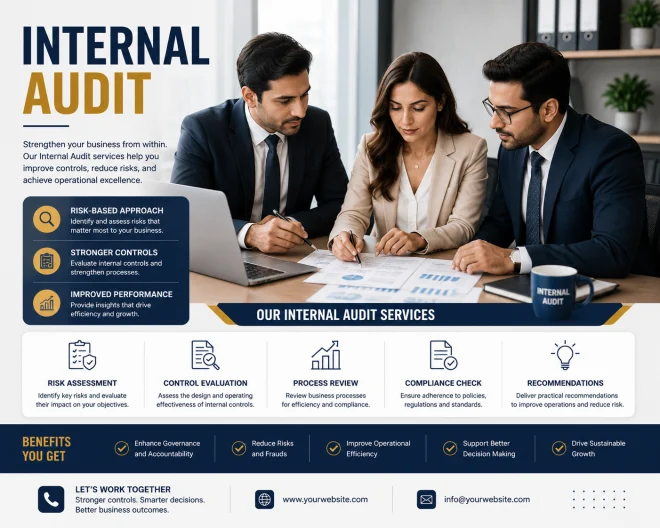
Building Business Confidence with a Professional Accountancy Company in Canada

Building Business Confidence with a Professional Accountancy Company in Canada

In today’s highly competitive marketplace, businesses across Canada face more than just market challenges. They must deal with evolving tax laws, financial reporting standards, and the demand for transparent financial practices. Whether you’re a new entrepreneur or managing a growing enterprise, access to experienced financial guidance is essential. That’s where working with a dependable accountancy company in Canada makes all the difference.

The Evolving Role of Accountants in Canada

Gone are the days when accounting was limited to balancing books and preparing tax returns. Modern professionals offer valuable insights into operational efficiency, risk management, and long-term planning. Canadian firms now play a critical advisory role, enabling better financial decisions with real-time data, budgeting support, and compliance strategies tailored to different provinces.

With frameworks like IFRS and ASPE in use across various industries, businesses need advisors who understand both global standards and local nuances. Whether it’s payroll requirements in British Columbia or sales tax reporting in Quebec, having someone who knows regional regulations is essential.

Core Areas Where Expert Financial Support Makes an Impact

Here are several ways a qualified professional can transform your financial practices:

  • Budgeting and Forecasting: Align financial targets with actual performance through proactive planning.
  • Audit Readiness: Prepare detailed documentation, helping to reduce stress and improve accuracy during inspections.
  • Regulatory Compliance: Stay current with federal and provincial changes affecting tax or corporate reporting.
  • Cloud-Based Bookkeeping: Leverage platforms that allow for secure, real-time collaboration and automation.
  • Performance Reporting: Use financial metrics to evaluate efficiency, profitability, and growth potential.

Tailored Support for Diverse Canadian Sectors

From logistics companies in Ontario to real estate firms in Alberta, each business faces unique financial pressures. A well-structured accounting approach adapts to the specific needs of each sector. Retailers may focus on inventory control, while tech startups may need help managing funding rounds and shareholder reports.

Professional services firms also benefit from a structured approach to billing, expense tracking, and time-based revenue. For these organisations, having customised support ensures better oversight and profitability.

Why Regional Knowledge Matters

Canada’s tax environment isn’t uniform. Each province has its own rules, especially concerning small business incentives, HST/GST filings, and payroll requirements. Partnering with a local team means your financial strategies are designed with those nuances in mind. It reduces compliance risks and improves your ability to respond to local opportunities.

Technology’s Role in Enhancing Financial Transparency

As financial tools become more sophisticated, businesses must adapt. Canadian firms that embrace automation and digital reporting gain a competitive edge. Cloud accounting tools improve accuracy, reduce manual errors, and enable financial professionals to focus more on strategic input rather than repetitive tasks.

Moreover, many firms now offer dashboards that provide visual insights into spending, revenue, and projected growth, helping leaders make quicker, more informed decisions.

Choosing the Right Accountancy Company: What to Look For

Selecting the right provider isn’t just about technical skills. It’s about finding a team that understands your business and communicates clearly. Here’s what to prioritise:

  • Professional Designation: Ensure they hold valid Canadian qualifications (such as CPA).
  • Sector Experience: Familiarity with your industry leads to more precise recommendations.
  • Technology Integration: A firm that uses modern tools increases efficiency and collaboration.
  • Client Focus: Seek out firms that offer tailored solutions rather than one-size-fits-all packages.
  • Clear Communication: Financial reports and advice should be easy to understand and apply.

The Long-Term Benefits of Consistent Financial Oversight

Having reliable financial oversight leads to greater stability and confidence in business planning. It also positions businesses better for investment, credit approval, or potential acquisition. Well-managed finances signal professionalism to stakeholders, partners, and clients alike.

It’s also easier to weather economic shifts with a clear picture of your financial standing. In volatile times, being prepared with accurate data and expert guidance gives businesses an edge over their competitors.

Final Thoughts

As Canadian businesses grow in complexity, the role of financial professionals continues to evolve. Beyond just managing transactions, today’s teams offer strategic value that touches nearly every aspect of operations. By aligning with an experienced, regional accountancy company, business owners can strengthen decision-making, protect their assets, and build a foundation for sustainable growth.

Whether you operate in Halifax, Calgary, or anywhere in between, having trusted financial guidance is no longer optional—it’s a competitive necessity.


Powered by absprof.com, connecting Canadian businesses with professional service partners that understand local challenges and national standards.

For related support, see our accounting and bookkeeping services and business planning and financial projections, and contact us to discuss your business accounting needs.


Talk to ABS about building business confidence

ABS offers professional accountancy support for Canadian businesses. If you need help with your business accounting, contact ABS to book a free 15-minute consultation.

Contact ABS — book a free 15-minute consultation

Certified Canadian Business Accountant Helping You Grow

Certified Canadian Business Accountant Helping You Grow

 If you’re running a business in Canada, having a certified accountant isn’t just smart—it’s essential. A Certified Canadian Business Accountant plays a vital role beyond annual tax filings. They help guide businesses through financial decisions, compliance requirements, and opportunities for sustainable growth. With economic and regulatory conditions evolving quickly, working with a qualified professional ensures you’re ready to meet challenges head-on.

Why Hire a Certified Business Accountant in Canada?

Canada’s federal and provincial tax frameworks are detailed and often complex. Certified accountants, specifically those holding a CPA (Chartered Professional Accountant) designation, are trained to navigate this terrain. They undergo rigorous education and professional development, ensuring they can interpret tax laws, financial data, and business regulations correctly and efficiently.

A certified accountant ensures your business remains compliant, avoiding unnecessary penalties. But more than that, they uncover areas where you can improve financial performance, enhance efficiency, and take advantage of government incentives.

Key Services Offered by Canadian Business Accountants

A reputable accountant will tailor their services to your business size, industry, and location. These services typically include:

  • Accurate Bookkeeping: Maintain detailed records of all financial transactions.
  • Tax Preparation & Filing: Submit corporate and sales taxes accurately and on time.
  • Financial Planning & Forecasting: Outline short-term and long-term financial strategies.
  • Cash Flow Oversight: Help avoid liquidity issues with clear insight into income and expenses.
  • Strategic Business Advice: Provide insight into market expansion, cost reduction, and investment.
  • Audit Support: Prepare documentation and offer assistance during financial audits.
  • Software Integration: Implement tools like QuickBooks, FreshBooks, or Wave to automate financial processes.

Advantages of Working with a Certified Professional

1. Peace of Mind: Certified accountants bring a level of accountability and precision you can trust.

2. Financial Clarity: A Better understanding of your revenue, expenses, and profitability helps drive smarter decisions.

3. Long-Term Strategy: With professional input, you can focus on growth, efficiency, and business resilience.

4. Legal Compliance: Avoid government penalties and interest by staying aligned with Canadian Revenue Agency requirements.

5. Local Knowledge: Whether you’re based in Alberta or Ontario, your accountant understands the local financial landscape.

How Accountants Contribute to Business Growth

Growth requires strategy, and strategy relies on numbers. A business accountant empowers growth by:

  • Providing Reliable Reports: Ongoing financial reports help you understand business performance.
  • Identifying Cost Savings: Through analysis, accountants uncover inefficiencies or unnecessary expenses.
  • Helping with Expansion Plans: Advice on loans, grants, or new investments is grounded in financial data.
  • Ensuring Tax Efficiency: By structuring finances wisely, businesses reduce tax burdens and reinvest savings.
  • Supporting Succession or Exit Plans: Transition strategies become clearer with expert financial planning.

Choosing the Right Accountant in Canada

Not every accountant offers the same level of service. To find the right match, consider:

  • Certification: Always look for a CPA designation.
  • Experience in Your Sector: Choose someone familiar with your business model and industry.
  • Accessibility: You should be able to reach your accountant when questions or issues arise.
  • Modern Tools: Ensure they use current accounting software and reporting systems.
  • Reputation: Read client reviews or request referrals for confidence in their ability.

Common Questions About Business Accountants

Q: What does a CPA bring that a non-certified accountant doesn’t?

A: CPAs are trained to meet high regulatory and ethical standards, ensuring compliance, accuracy, and accountability.

Q: Can an accountant help with grant applications or funding?

A: Yes, many certified accountants assist in identifying and applying for government funding and incentive programs.

Q: Is it better to hire an in-house accountant or outsource?

A: For small to medium businesses, outsourcing often provides more expertise at a lower cost.

Q: Do accountants work remotely?

A: Many now offer virtual consultations and cloud-based solutions, allowing you to access services from anywhere in Canada.

Final Thoughts

Hiring a Certified Canadian Business Accountant is one of the smartest moves you can make. From ensuring compliance to guiding strategic decisions, the value they provide far outweighs the cost.

If you’re looking to scale, stabilise, or simply gain better control of your financials, a certified accountant offers the clarity and expertise to make it happen.


Need a recommendation? Visit absprof.com to connect with professional Canadian accountants tailored to your business needs.

For related support, see our accounting and bookkeeping services, and contact us to grow with a certified Canadian business accountant.


Talk to ABS about certified business accounting

ABS offers certified Canadian business accounting support to help you grow. If you need help with a certified Canadian business accountant, contact ABS to book a free 15-minute consultation.

Contact ABS — book a free 15-minute consultation

How Canada’s Top Accounting Firms Are Helping Businesses

How Canada’s Top Accounting Firms Are Helping Businesses