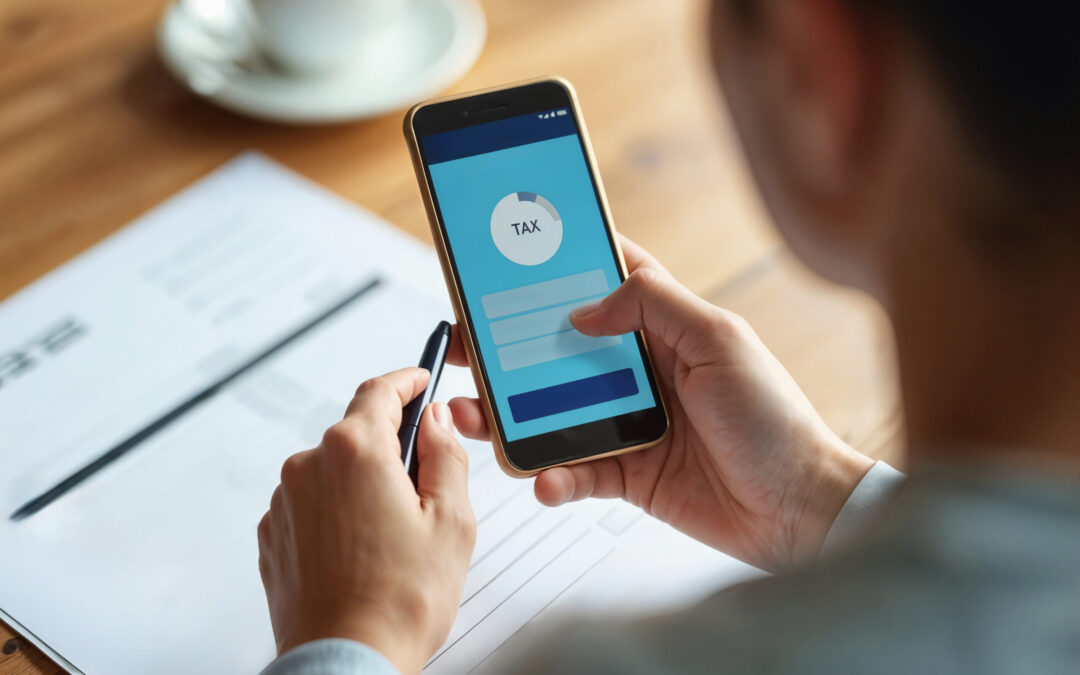
Personal tax filing in Canada comes down to a few clear steps: know your deadline, gather the right slips and receipts, report all of your income, and claim the deductions and credits that apply to you. For most people, the T1 return is due April 30. If you are self-employed, you have until June 15 to file, but any tax you owe is still due April 30.
When is your personal tax return due?
The deadline depends on your situation. Missing it can lead to interest and penalties, so it helps to plan ahead rather than waiting until the last week of April.
- Most individuals: file by April 30.
- Self-employed individuals: file by June 15, with tax owed still due April 30.
- Spouses and common-law partners: if one spouse is self-employed, the June 15 filing date generally applies to both, while any balance owing is still due April 30.
If you expect a balance owing, paying by April 30 matters even when your filing deadline is later. If you expect a refund, filing early usually means you receive it sooner.
What documents do you need to file?
Start with the slips that report your income, then add receipts for deductions and credits. A short checklist makes the process much calmer:
- T4: employment income and deductions from your employer.
- T5: investment income, such as interest and dividends.
- T3: income from trusts and mutual funds.
- RRSP slips: contributions that may reduce taxable income.
- Medical expense receipts: eligible out-of-pocket medical costs.
- Donation receipts: charitable donations that may support a tax credit.
- Tuition slips: eligible tuition and education amounts.
You may also need records for rental income, capital gains, childcare expenses, or moving expenses, depending on your year. Keep your slips and receipts together, even for amounts that seem small. Small items can add up, and missing paperwork is one of the most common reasons a return is delayed.
How refunds work
A refund happens when the tax already withheld or paid during the year is more than the tax you actually owe. That is why deductions and credits matter: they can reduce taxable income or reduce tax payable, which can change the final result.
A refund is not automatic, and it is not a bonus. It is simply a return of tax you overpaid during the year. The fastest route is usually to file electronically with direct deposit information on file, and to double-check your name, address, and banking details before filing.
A simple way to avoid surprises
Before you file, review the return against your slips. Check that every T4, T5, and T3 is included, that RRSP contributions are entered in the right year, and that donation and medical receipts match the amounts you are claiming. A careful review now can prevent a follow-up letter later.
Filing when you are self-employed
Self-employed filing adds another layer. You report business income and expenses, and you need records that support both. That usually means invoices, expense receipts, bank and credit card statements, and a clear record of business use versus personal use where an expense is shared.
Good record-keeping during the year makes self-employed filing far easier. It also helps if the CRA asks questions later. If your records are scattered, it is worth sorting them before tax season, rather than trying to reconstruct a full year in April. ABS can help with Accounting & Bookkeeping support alongside your return, so your books and your filing stay consistent.
Common mistakes to avoid
- Leaving out a slip because it arrived late or seemed minor.
- Claiming a receipt in the wrong year.
- Mixing personal and business expenses without clear records.
- Forgetting that self-employed tax owed is due April 30, even with a June 15 filing deadline.
- Waiting until the deadline to gather documents.
If you have missed a year, do not assume it cannot be fixed. It is usually better to get the return filed and understand what is owed than to let another year pass.
Related reading from ABS
GST/HST Registration in Canada: When to Register and How It Works
You generally must register once your taxable sales pass $30,000 in any 12-month period.
Read more →
Corporate Tax Filing (T2) in Canada: Deadlines, Rates, and Filing
The T2 return is generally due six months after your fiscal year-end.
Read more →Talk to ABS about your personal return
ABS offers business, GST, and personal tax services across Canada, with a CPA-certified team and Canada-wide virtual service. If you would like help with your T1, your documents, or a self-employed return, contact ABS to book a free 15-minute consultation.